Strategic communications case studies
This Strategic Communications Incubator resource page provides in depth overviews and analysis of real world, longer-term strategic communications initiatives looking to achieve sustainable narrative change goals.
Learning from practice has always been at the heart of ICPA’s work throughout our years of supporting civil society coalitions/networks to build key strategic communications capacity and infrastructure to work at the scale needed to deliver narrative and policy change. We have continually sought out leading international practitioners to collect lessons from the real world, set realistic expectations and at the same time, provide inspiration for others to act. In addition, these learnings become a key foundation for our resources and trainings on narrative change and the policy advocacy development processes.
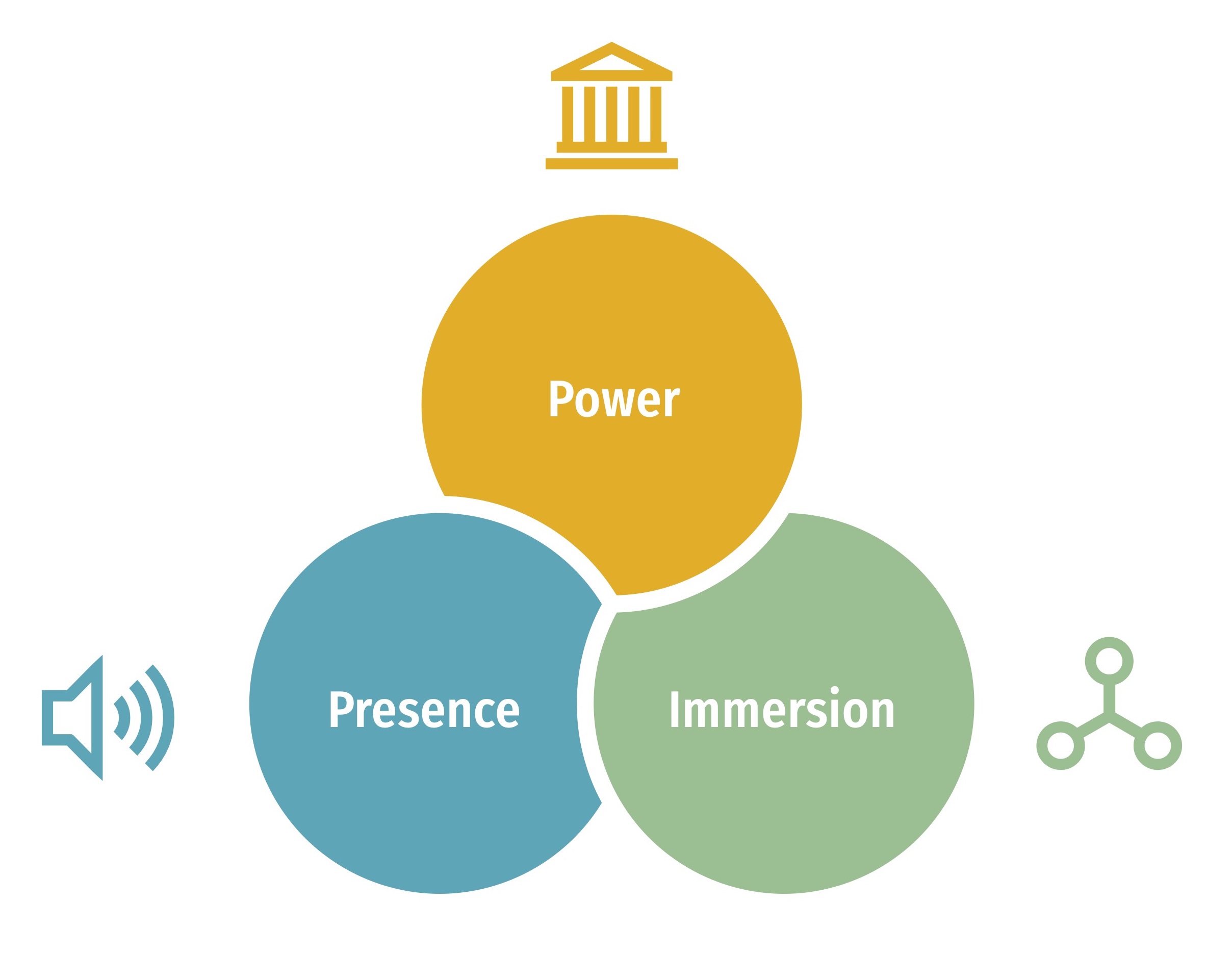
Through these case studies, we are trying to illustrate what it takes to deliver the strategic communications goals of presence, immersion and ultimately power. We have extracted lessons from practice on topics such as strategic communications coalition building; reaching different audiences; embedding new narratives in people’s daily lives, not just the media they consume; and testing, monitoring and evaluating interventions. The case studies reveal examples of “best practice” as well as the challenges of designing and implementing long-term strategic communications initiatives. Importantly, they are not presented as models to be followed, but rather as in-depth practice examples to offer lessons and inspire.
How did we create them?
The case studies are based on desk-based research (analysis of internal and public documents and online information) and interviews with key people involved in strategic planning and implementation. They have been produced by the Resource and Mentoring Hub and are used to train and inspire the next generation of practitioners in the Strategic Communications Incubator.